Ultimate Guide to Volume-Based Rate Negotiation for LTL
Learn how to negotiate volume-based rates for LTL shipping to save costs and improve efficiency through strategic consolidation and data analysis.
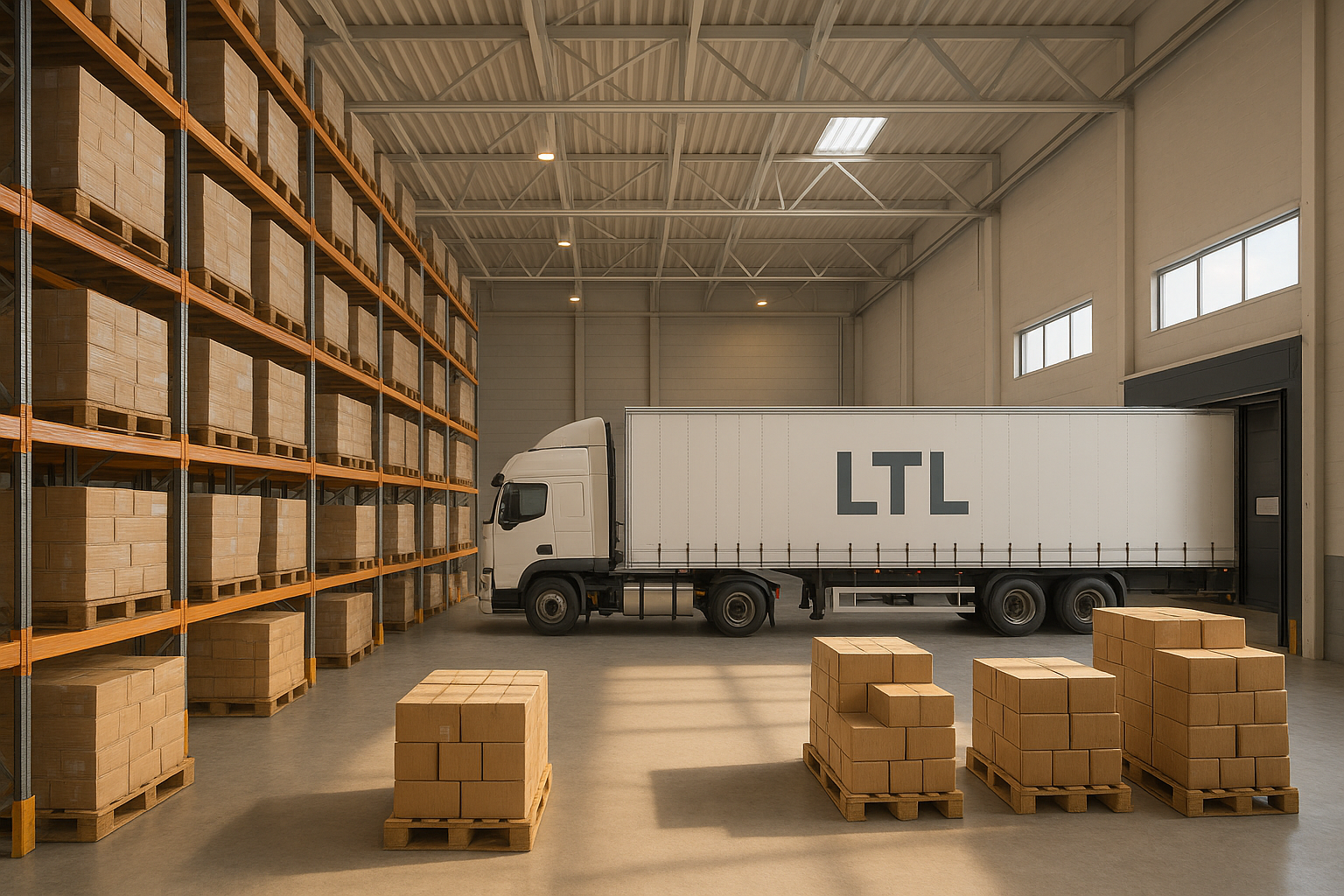
Ultimate Guide to Volume-Based Rate Negotiation for LTL
Want to save money on shipping? Volume-based rate negotiation for Less-than-Truckload (LTL) shipping can help reduce costs by leveraging your freight volume. Here’s how it works:
- What is LTL? LTL shipping combines smaller shipments from multiple businesses into one truck. It’s ideal for loads between 1-6 pallets or under 15,000 pounds.
- Why negotiate volume rates? By committing to specific shipping volumes, you can secure lower rates and better terms with carriers.
- Key strategies: Use your shipping data, consolidate shipments, and negotiate extra fees to maximize savings.
- Tech tools: Platforms like ShipPeek LTL TMS simplify rate comparisons and improve efficiency.
Bottom line: Understand your shipping patterns, use carrier thresholds, and optimize shipment sizes to cut costs. Regularly review contracts and carrier performance to maintain savings.
How Can You Negotiate Favorable Freight Carrier Rates? - Smart Logistics Network
::: @iframe https://www.youtube.com/embed/kcBP8fMi3e0 :::
How Volume-Based Rates Work in LTL
Carriers provide volume-based rates when shipments exceed certain thresholds they have established. These rates bridge the gap between standard less-than-truckload (LTL) prices and full truckload costs. They’re designed for shipments that are too large for regular LTL but don’t need an entire truck, offering a more cost-effective option.
Knowing the specific criteria that trigger volume rates is key to making informed decisions. It’s important to understand these thresholds before comparing volume rates with other pricing models.
Volume Rate Thresholds
Volume rates typically kick in when a shipment exceeds 12 linear feet or weighs more than 15,000 pounds [1]. However, these thresholds can vary depending on the carrier.
- Weight thresholds: These can range from 5,000 to 20,000 pounds.
- Linear feet requirements: Usually fall between 12 and 32 feet.
- Pallet counts: Often range from 6 to 18 pallets.
Another factor is the Cubic Capacity Rule. If a shipment takes up more than 750 cubic feet but has a density of less than six pounds per cubic foot, carriers might apply volume rates because the freight occupies more space relative to its weight [2][3]. Some carriers set even lower cubic capacity thresholds [1].
Additionally, the percentage of trailer space used can be a factor. For example, Redwood Logistics applies volume rates when a shipment takes up 20% or more of the truck’s capacity [3].
These criteria help businesses identify when it makes sense to negotiate for volume-based rates, aligning with broader cost-saving strategies.
Volume Rates vs Other Rate Types
Volume-based pricing is a great middle ground in LTL shipping. While standard LTL rates are meant for smaller shipments, volume rates come into play as shipments grow in size or weight. They provide cost savings without requiring a full truck reservation. This specialized pricing approach allows businesses to better manage shipping expenses for larger loads that don’t quite justify full truckload rates.
Pros of Volume-Based Rate Negotiation for LTL
Volume-based rate negotiation can be a game-changer for businesses handling large less-than-truckload (LTL) shipments. It brings a range of benefits that can help reduce costs and improve operational efficiency. Let’s dive into the key advantages of this approach.
Advantages of Volume-Based Rates
-
Lower Costs: Shipping larger LTL volumes typically costs less than booking a full truckload. You only pay for the space you use, making it a cost-effective option. Plus, upfront pricing eliminates the risk of surprise fees at delivery [4][5][6].
-
Better Rate Opportunities: Carriers often offer competitive volume rates when they have extra capacity, which can sometimes beat your standard rates. This also helps avoid penalties for oversized shipments [1][7].
-
Consolidation Perks: Combining smaller shipments into a single volume shipment can lead to significant savings, especially if you’re shipping along consistent routes [7].
-
Quicker Transit Times: Volume shipments often move directly, cutting down transit times and improving on-time delivery rates [5][6][8].
Key Benefits in a Nutshell
- Reduced cost per unit compared to full truckload rates
- Predictable pricing upfront, reducing unexpected charges
- Savings through carrier excess capacity
- Cost reductions via shipment consolidation
- Faster transit and better delivery reliability
While these benefits are compelling, it’s essential to also consider the potential drawbacks of volume-based rate negotiation. We’ll explore those next to give you a full picture.
How to Negotiate Volume-Based Rates
Getting better volume-based rates starts with understanding your shipping patterns and using them to your advantage.
Using Shipment Data for Negotiations
Start by gathering detailed data from the past year about your shipments. This includes information like weight, dimensions, freight class, type of goods, packaging, and any special handling requirements. Highlight both your straightforward shipments (like dense, stackable items) and those that need extra care (such as fragile or oversized goods). Carriers appreciate transparency, as it helps them avoid surprises later.
Make sure to outline your service needs clearly. If you require specific pickup times, delivery appointments, or special handling, include these details in your discussions. Clear communication ensures carriers can price your shipments accurately and helps avoid misunderstandings.
Once you’ve built a solid data foundation, you can move on to optimizing your shipment volumes.
Combining Shipments to Meet Volume Requirements
One way to secure better rates is by consolidating shipments. If you’re sending multiple small loads to the same region, combining them into a single larger shipment can often lead to more favorable pricing.
Adjusting your shipping schedule might also help. For instance, instead of shipping smaller loads several times a week, you could consolidate them into fewer, larger shipments. This works particularly well for non-urgent freight with flexible delivery timelines.
You can also group shipments headed to the same general area, even if the final drop-offs differ. For example, consolidating deliveries to a specific city or state may qualify for better rates from carriers.
Collaboration can also make a big difference. Work with your suppliers and customers to align inbound and outbound shipments. Filling trucks more efficiently strengthens your negotiating position and can lead to significant cost savings.
After optimizing your shipment volumes, it’s time to tackle additional fees.
Negotiating Extra Charges
Before finalizing any agreement, make a list of all potential extra charges, such as liftgate services, residential deliveries, detention fees, or fuel surcharges. Review your shipment data to identify which of these services you use most often, and negotiate reduced rates for them.
For instance, if many of your shipments require liftgate services, ask for a discounted rate specifically for that need. You can also reduce accessorial fees by improving your packaging, adjusting delivery schedules, or consolidating billing processes.
Finally, ensure that all service requirements are clearly documented on your Bill of Lading. This step can help you avoid unexpected charges and ensure smooth operations.
sbb-itb-8138a00
Using Technology for Volume-Based Rate Negotiation
Modern logistics technology has transformed the way businesses handle volume-based rate negotiations. Gone are the days of juggling spreadsheets - now, integrated platforms centralize data and provide real-time rate comparisons, making the process faster and more efficient.
How Logistics Technology Makes a Difference
Technology platforms simplify negotiations by pulling all the important shipping data into one place. They automatically track critical details like shipping patterns, weights, destinations, and service requirements, ensuring you have everything you need at your fingertips.
One standout feature is the ability to access live checkout rates. These platforms connect with multiple carriers to deliver instant rate quotes, so you can compare pricing options in real time. This transparency makes it easier to identify which carriers offer the best deals for your specific shipping volumes. Tools like ShipPeek LTL TMS exemplify how advanced systems can streamline this process.
Maximizing Efficiency with ShipPeek LTL TMS
ShipPeek LTL TMS takes rate negotiations to the next level with its powerful logistics API. The platform allows unlimited rate requests, so you can compare prices across multiple carriers without worrying about extra transaction fees piling up.
With seamless integration, ShipPeek provides access to rates from a wide range of LTL carriers through one easy-to-use interface. No need to hop between websites or make endless phone calls. The live checkout rates give you immediate insights into how shipment volumes affect pricing, which is crucial for planning your shipping strategy.
The platform also supports unlimited orders and labels, making it perfect for scaling operations without hidden fees. Plus, ShipPeek’s detailed tracking system keeps a record of your shipments, making it easier to showcase your shipping volumes when it’s time to renegotiate contracts or renew agreements.
For high-volume shippers, ShipPeek offers a 7-day free trial. Monthly pricing starts at $999, but there’s a current promotion offering three months at $749 - an attractive option for businesses looking to lock in predictable costs and streamline their logistics.
Managing Volume-Based Rates Long-Term
Securing volume-based rates is just the beginning. To truly maximize savings and maintain cost efficiency, you need to stay on top of rate management. Successful shippers know that this requires consistent monitoring and proactive adjustments.
Regular Contract Reviews
Shipping contracts can quickly become outdated as market conditions change. That’s why it’s smart to review your contracts every 12 to 18 months, even if the agreement hasn’t officially expired.
During these reviews, compare your actual shipping volumes to the commitments you’ve made. If you’re regularly exceeding your minimum volume thresholds by 20% or more, you could be missing out on opportunities for better rates. Carriers are often open to negotiating lower rates in exchange for higher volume commitments, so use this data to your advantage.
Market dynamics like fuel costs, capacity availability, and regional shipping demand can also shift significantly over time. A rate that was competitive two years ago might now be above the market average. Compare your current rates with spot market pricing to identify areas where you might be overpaying.
If issues arise - such as service inconsistencies or rate hikes that don’t align with market trends - address them immediately. Carriers typically prefer to retain their customers and may be willing to renegotiate terms to keep your business. At the same time, keep an eye on your shipping data to ensure you’re meeting your agreed-upon volume commitments.
Tracking Your Shipping Data
Accurate and consistent data tracking is key to ensuring your volume-based rates deliver the savings you expect. Falling short of your volume commitments, even slightly, can lead to penalties or a reversion to standard pricing, which could erase months of cost savings.
Monitor your shipping volumes monthly, not quarterly. This approach gives you time to adjust if you’re falling behind. For instance, if you’ve only reached 60% of your quarterly volume commitment with one month to go, you might need to consolidate shipments or accelerate planned deliveries to meet your targets.
Seasonal fluctuations can also play a big role. Many businesses see volume spikes during holidays, peak seasons, or industry-specific cycles. Document these trends and use historical data to negotiate flexible volume commitments with your carriers. Showing predictable seasonal patterns can make carriers more willing to accommodate your needs.
Don’t forget about weight requirements. Some volume-based contracts include minimum weight thresholds in addition to shipment counts. Track both metrics to ensure you’re fully compliant with your contract terms. If your average shipment weight is decreasing over time, you may need to adjust your commitments or explore alternative rate structures.
Checking Carrier Performance
Securing favorable rates is only part of the equation. If your carrier’s performance isn’t up to par, any cost savings could be wiped out by delays, damaged goods, or poor service.
Track key performance metrics like on-time delivery rates, damage claims, and customer service responsiveness. Industry benchmarks suggest that LTL carriers should maintain on-time delivery rates of at least 95% for standard service. If your carrier consistently falls short, it’s worth using this data in rate negotiations - or even considering a switch to a more reliable provider.
Keep detailed records of service failures, including dates, shipment numbers, and financial impacts. This documentation can strengthen your position during contract discussions. Carriers are often willing to offer rate adjustments or service credits if you can show a clear pattern of service issues backed by solid data.
Also, review your carrier’s network coverage annually. Carriers frequently update their service areas, add terminals, or change delivery schedules. These shifts can impact your shipping costs and transit times. A carrier that was a perfect fit two years ago might now have reduced service frequencies or eliminated direct routes, making them less competitive even if their rates haven’t changed.
Finally, consider the total cost of ownership - not just the line-haul rates. Factor in accessorial charges, fuel surcharges, and the hidden costs of service issues. A carrier with slightly higher base rates but fewer additional fees and better reliability could actually save you more in the long run. By combining regular reviews with diligent data tracking, you can build a rate management strategy that keeps your shipping costs in check while ensuring smooth operations.
Conclusion
Negotiating volume-based rates for LTL shipping is a smart way to cut costs and build a scalable shipping strategy. The key lies in understanding your shipping data and using it to your advantage.
When you identify patterns in your shipping history - like steady monthly volumes or predictable seasonal trends - you gain leverage to negotiate better rates. Even businesses with moderate shipping needs can take advantage of volume-based pricing by presenting clear data to carriers.
Consolidating shipments is another effective tactic. By grouping smaller loads heading to the same region, you can often meet carrier volume thresholds, unlocking discounts that wouldn’t apply to individual shipments.
Don’t overlook the role of technology in this process. Tools like ShipPeek LTL TMS simplify rate requests and integrate seamlessly with multiple carriers, making rate management more efficient and consistent.
It’s also wise to address extra charges during negotiations to avoid unexpected costs. Rate management isn’t a one-and-done task - it requires regular contract reviews and ongoing monitoring of shipping data to adapt to market changes.
FAQs
What qualifies a shipment for volume-based rates in LTL shipping?
To access volume-based rates in LTL shipping, your shipment usually needs to surpass the standard weight or space thresholds set by carriers. These thresholds often include shipments that range from 6 to 30 pallets or weigh between 5,000 and 20,000 pounds. Additionally, shipments that take up significant trailer space - like those with 6 to 12 pallets - might also qualify.
Factors such as the density of your freight, its stowability, and how easily it can be handled also play a role in determining eligibility. If you’re unsure about whether your shipment qualifies for volume-based pricing, it’s a good idea to check with your carrier or logistics platform for clarification.
How can I consolidate shipments to qualify for volume-based LTL rates?
To access volume-based LTL rates, think about merging several smaller shipments into a single larger load. This works particularly well for shipments exceeding 6 pallets or 5,000 pounds, which are too big for standard LTL but don’t require a full truckload. Leveraging a consolidation point - a central hub where goods from different origins are combined - can maximize trailer space and cut costs.
By timing shipments to arrive together at a consolidation hub, you can streamline the grouping process, making it easier to hit the required volume thresholds. This approach not only trims transportation costs but also boosts shipping efficiency overall.
How can ShipPeek LTL TMS simplify volume-based rate negotiations?
ShipPeek LTL TMS simplifies the process of negotiating volume-based rates by providing real-time access to carrier rates. This transparency makes communication more straightforward and ensures businesses have instant visibility into pricing, allowing them to make smarter decisions based on current market trends.
The platform also boosts efficiency by facilitating shipment consolidation, giving businesses greater bargaining power due to increased volume. Plus, it enables dynamic rate adjustments, helping companies lock in competitive pricing while fine-tuning their shipping operations for better overall performance.